Private Label · OEM / ODM
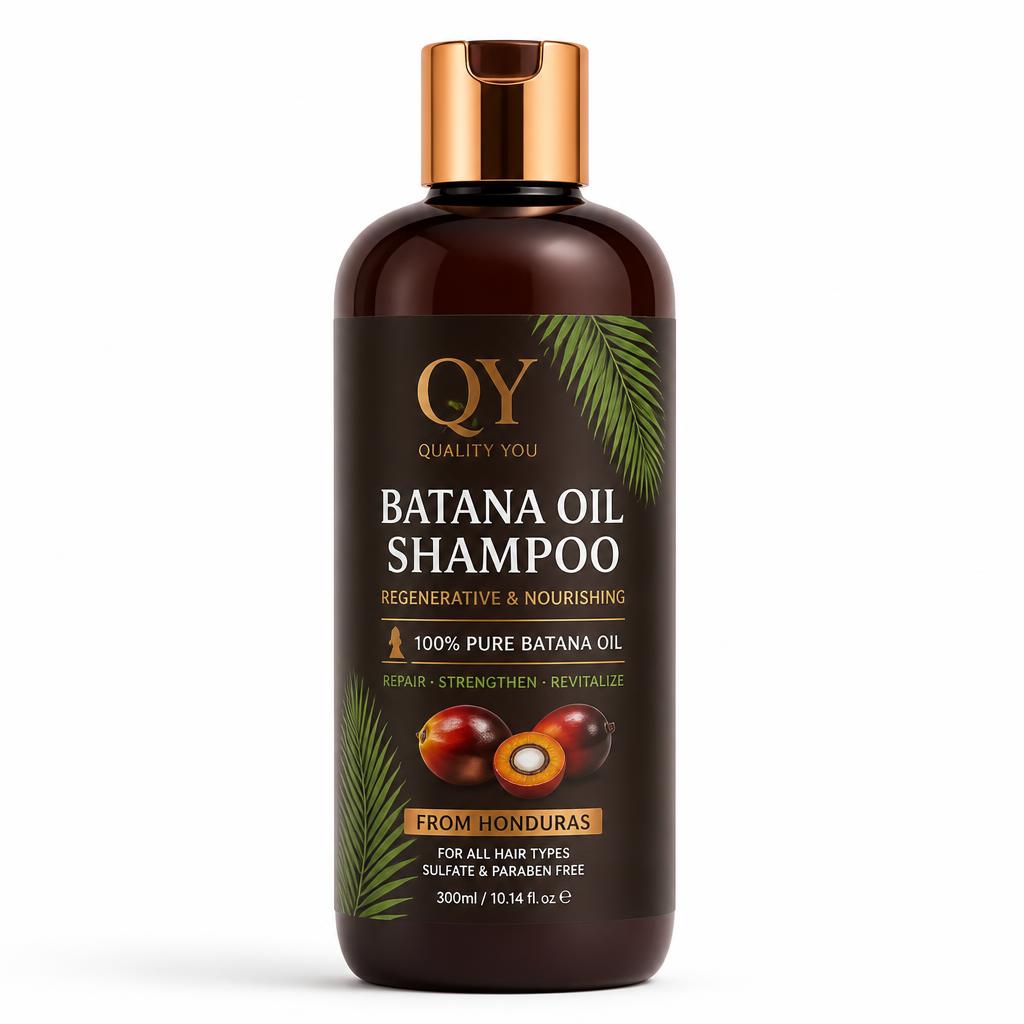
Batana Oil Shampoo
The Honduran 'Miracle Oil' — the fastest-growing hair-growth trend.
Batana oil (Elaeis Oleifera) has exploded on TikTok as a natural hair-growth and thickening treatment. We formulate rich batana-oil shampoo and shampoo bars for private label brands riding the trend on Amazon and Shopee.
HALAL · PROJECT REVIEW
Halal project requirements
Development for Halal requirements; applicable certification is confirmed per project. The product introduction is a development reference, not proof of a certified formula or approved claim.
Ingredient sources
Review glycerin, fragrances, enzymes, animal-derived ingredients, carriers and processing aids against the applicable certification scheme.
Production review
Verify cleaning, cross-contamination controls, storage and batch traceability for the project; these are review requirements, not an unverified factory guarantee.
Certificate coverage
Confirm that a valid certificate covers the actual product, formula and manufacturing site, and that the destination market accepts it.
Claim boundaries
Alcohol-free, fluoride-free, natural or vegan does not mean Halal-certified. GMPC / ISO 22716 does not replace Halal certification.
Key ingredients
- •Elaeis Oleifera (Batana) Oil
- •Baobab Seed Oil
- •Hydrolyzed Wheat Protein
- •Sodium Cocoyl Isethionate
Benefits & positioning
- ✓Deep nourishment for coarse, textured, kinky hair
- ✓Reduces breakage and improves density
- ✓Sulfate-free, silicone-free
- ✓Available as liquid shampoo or shampoo bar
- • 300 / 500 ml bottles
- • 80 g / 100 g shampoo bars
- • Kraft or aluminum-tin bar packaging
Target markets & channels
Frequently asked questions
Q.Is your batana oil authentic Honduran?
We source directly from Honduran cooperatives (Miskito region). CoA and origin certificate provided per lot.
Q.Can you produce a shampoo bar version?
Yes. Syndet-based bars with 8–12% batana oil, palm-free, and 80 g / 100 g sizes are our standard SKUs.
Q.Is this product already Halal-certified?
Certification is not established by this product page. Before making a Halal-certified claim or using a Halal mark, obtain a valid applicable certificate and verify its coverage of the final product, formula, manufacturing site and destination-market recognition. A certificate for another product or an expired certificate is not evidence of current coverage.
Q.What ingredient and production checks does a Halal project require?
Under the applicable certification scheme, review supplier documents for glycerin, fragrances, enzymes, animal-derived ingredients, carriers and processing aids, including their sources and processing. Verify cleaning, cross-contamination prevention, storage and batch traceability for the actual project. These are checks to be completed, not a claim that every proposed formula or process is already approved.
Q.Do alcohol-free, natural, vegan or quality certifications establish Halal status?
No. Alcohol-free, fluoride-free, natural and vegan describe different attributes and do not establish Halal certification. GMPC and ISO 22716 concern manufacturing and quality practices, not Halal approval. Assess raw materials, processing, finished-product coverage and permitted label wording separately under the applicable scheme.
Q.Are the listed specifications and benefits approved for every market?
No. The introduction, ingredients and benefits describe a product development direction. Confirm final specifications, supplier evidence, sample testing and any required safety or efficacy evidence before approval. Therapeutic, antibacterial, sensitivity-relief and other regulated claims require a separate destination-market assessment; a Halal review does not replace that assessment.
Related SKUs
Ready to private label Batana Oil Shampoo?
Send us your target market, quantity and any benchmark. We'll come back with a spec sheet, sample plan and FOB price within one working day.